Medical Assistance Program
The Madagascar Research and Conservation Institute (MRCI) proudly offers its Medical Assistance Program, dedicated to improving healthcare access for underserved communities in northwestern Madagascar. Based at MRCI’s Turtle Beach camp in Ampohana, this initiative brings together qualified, currently registered nurses and medical students. Other healthcare professionals may be considered following an individual assessment of their qualifications and placement suitability. Volunteers play a direct role in community wellness while experiencing cross-cultural exchange and working in a resource-limited environment where their skills can make a life-changing impact.
Program Activities and Volunteer Involvement
Volunteers in the Medical Assistance Program are actively involved in a range of healthcare-focused activities:
-
Community Health Clinics: Assist with appropriate clinic tasks as agreed with the host healthcare team and within the volunteer’s authorised professional scope.
-
Medical Outreach: Travel to neighbouring villages to deliver healthcare services to those with limited access.
-
Collaboration with Local Health Centres: Work alongside local doctors and nurses to enhance healthcare services.
-
Health Education Workshops: Educate locals on sanitation, maternal health, and disease prevention.
-
Physiotherapy & Rehabilitation Support: Offer therapy and rehabilitation services for individuals in need.
-
Medical Supplies Management: Help assess and distribute essential medications and first aid supplies.
-
Chronic Disease Management: Support ongoing care and education for chronic illnesses such as diabetes and hypertension.
The program operates year-round. Volunteer activities are adapted based on the community’s needs and health concerns throughout the year.
Objectives and Goals of the Program
The Medical Assistance Program aims to strengthen the regional healthcare system and improve health outcomes through:
-
Providing basic and specialised medical services to underserved populations.
-
Increasing health literacy through education and prevention-focused outreach.
-
Supporting and collaborating with local health professionals.
-
Enhancing access to medication and medical equipment.
-
Collecting basic public health data to inform long-term support strategies.
Program Highlights
-
Deliver essential medical care and health education to remote communities.
-
Collaborate with local healthcare professionals to support sustainable development.
-
Educate individuals and families on disease prevention and healthy living.
-
Experience off-grid life at our eco-conscious Ampohana Camp.
-
Grow professionally and personally through cross-cultural learning and service.
Program Description
This is a self-directed volunteer placement for qualified, currently registered nurses who are comfortable taking initiative and working in a setting with limited resources. Other qualified healthcare professionals may be considered where an appropriate role can be arranged.
Volunteers support local clinics or hospitals and may develop practical health-education activities with schools and communities. MRCI coordinates accommodation, placement logistics and a weekly schedule developed with the volunteer. There is no dedicated MRCI medical program manager or MRCI-employed healthcare professional overseeing the placement. Clinical activities are directed by the host healthcare team and depend on the volunteer’s qualifications, local permissions, available supervision and community needs.
French and Malagasy are commonly spoken in healthcare settings, and many staff and patients do not speak English. French language skills are advantageous. MRCI will do its best to arrange suitable translation support where needed, but continuous translator availability cannot be guaranteed.
You may be the only medical volunteer, although you will live alongside volunteers on other MRCI programs. Some travel may be shared with teaching volunteers visiting Nosy Be or conservation volunteers travelling to Ampohana. Their activities will be separate from your healthcare placement.
This placement suits professionals seeking to contribute their existing skills. It is not a structured clinical internship, and specific procedures, patient-contact hours, hospital departments or specialist activities are not guaranteed.
General InformationAge Range: Volunteers must be 18+ years old. While most volunteers are in their twenties, people of all ages are welcome.
Number of Volunteers: Medical volunteer numbers are usually low, and you may be the only volunteer on this placement. Volunteers from our other programs will be accommodated at the same camp, so you will never be alone.
Languages: English is used within MRCI’s international volunteer community. Healthcare staff and patients commonly speak French and Malagasy. English may be limited
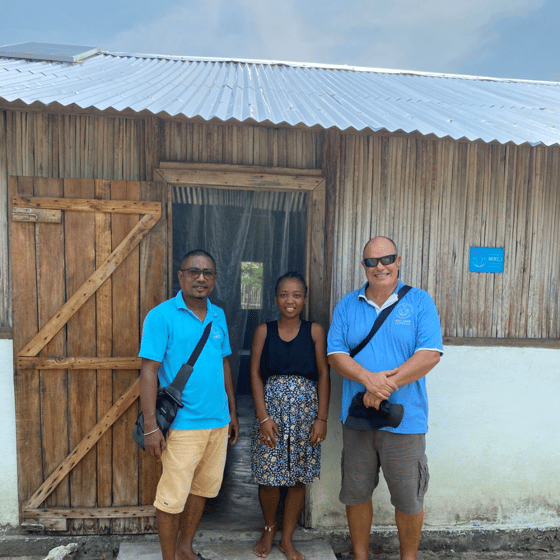
Accommodation: Volunteers live in shared dormitory-style rooms. Facilities are basic but comfortable. In Ampohana, MRCI has built solar-powered infrastructure, including a medical consultation area, medical supply storage, and classrooms for health workshops.
Meals: Volunteers receive three meals a day, using locally sourced ingredients.
Wi-Fi & Communication: There is no Wi-Fi on camp, and mobile coverage is rarely available. Volunteers can purchase a local SIM card in Hellville with data for internet access.
Essential Information
-
Health Insurance: Required.
-
Vaccinations: Yellow fever, Hepatitis A & B, tetanus, typhoid, and rabies are recommended. Consult a travel doctor.
-
Climate: Hot and humid. Stay hydrated and use sun protection.
Included:
Not Included:
-
Flights
-
Visa costs
-
Travel/health insurance
-
Personal spending
Currency: Madagascar is a cash-based society and you will need to withdraw local currency, Malagasy Ariary (MGA), at the ATM in Hellville. We do not recommend bringing US Dollars or Euros to exchange as the exchange rate received is very poor.
Passport and Visa: All visitors require visas and a one to two-month single-entry visa may be obtained on arrival at the airport. We do recommend you check with the Consulate General as visa requirements can change at any time. A passport valid for 6 months after the date of return is required. Please ensure you have at least two blank pages available in your passport before commencement of travel.
- 15-Day visa: 10 Euros / 11 USD
- 30-Day visa: 35 Euros / 37 USD
- 60-day visa: 40 Euros / 45 USD
- Additional 30-day extension: 68 Euros / 75 USD
Most nationalities can get a visa upon arrival at the airport in Madagascar or the Madagascar embassy in the country of departure. You can purchase either a 30 or a 60-day visa. There are no ATMs or credit card facilities at the airports, so you will need to bring enough cash to pay for your visa when you land. Visas may be extended to 90 days for $75 once in-country.
Due to its structure, this program is classified as a tourist trip. Volunteers participate in a project for three months or less, work an average of four to six hours daily (not full-time), and do not receive any pay or free accommodation/meals in compensation for work. That qualifies these types of trips as “tourist” trips, therefore, we recommend you select “tourism” as your reason for travel on your visa. Other visa types may be available, however, they are often unnecessary, expensive and time-consuming.
What to Bring
Essentials
- Mosquito net (lightweight, box style, single person)
- Single sheet and pillow with pillowcase
- Bed sheet for a single bed
- Thin sleeping bag (June-August)
- Bath towel/Beach towel
- Lightweight waterproof rain jacket (rainy months)
- T-shirts and tank tops
- Light long-sleeved sweatshirt/jumper/ fleece
- Trousers (for forest walks or mosquito protection in the evening)
- Shorts
- Underwear
- Swimming costume/bikini/board shorts
- Cap/sunhat
- Sunglasses
- Reusable water bottle (1L)
- Walking boots or good trainers /sneakers
- Flip-flops
- Day pack (waterproof recommended)
- Solar panel charger
- Toiletries (soap, shampoo, razor, toothpaste, toothbrush)
- Personal medical kit
- Sunscreen (water-resistant, preferably biodegradable and reef safe)
- Insect repellent (DEET-free)
- Head torch (with rechargeable batteries)
- Photocopy of passport, travel insurance details, and other important travel documents
- Debit card/credit card (VISA is widely accepted)
Optional
- Battery pack (to use in conjunction with your solar panel)
- Hammock (plenty of places to hang it!)
- Mobile phone (you can buy a local SIM card for around US$10)
- A padlock to secure personal items
- Laptop/iPad
- Camera (waterproof optional but recommended)
- Books
- A nice set of clothes if you want to go out for dinner or dancing
- Mask, fins, snorkel and rash vest for snorkelling in your free time
- Treats/food difficult to get in Madagascar - we have supermarkets, but maybe there’s
- that one snack you can’t live without?
- Lonely Planet Travel Guide can be helpful for preparing to visit Madagascar
Medical Kit Example
- Personal first aid kit
- Malaria Prophylaxis
- Paracetamol/Ibuprofen
- Anti-histamine pills and/or cream
- Immodium
- Multi-vitamins
- Anti-septic cream or spray (Eg. Savlon)
- Sea/Travel sickness pills if prone
- Bandage
- Plasters
- Aftersun
Health Disclosure
Volunteers are asked to inform MRCI staff of any medical or mental health conditions. This information is kept confidential and ensures volunteer safety and fair participation in program activities.
Dietary Requirements
MRCI strives to accommodate dietary restrictions to the best of our ability within the limitations of our remote setting. Volunteers are provided with three meals daily, based primarily on a diet that includes rice, vegetables, legumes, and occasional protein sources like eggs, fish and zebu (beef). If you have dietary needs such as gluten-free, vegan, or food allergies, please inform us in advance so we can plan accordingly. While we make every effort to meet these requirements, we encourage volunteers with strict diets to bring supplementary snacks or essentials.
Ready to Make a Difference?
Apply today to join the MRCI Medical Assistance Program and use your skills to improve healthcare access in Madagascar!